Transparency and Trust: Seeing Is Believing
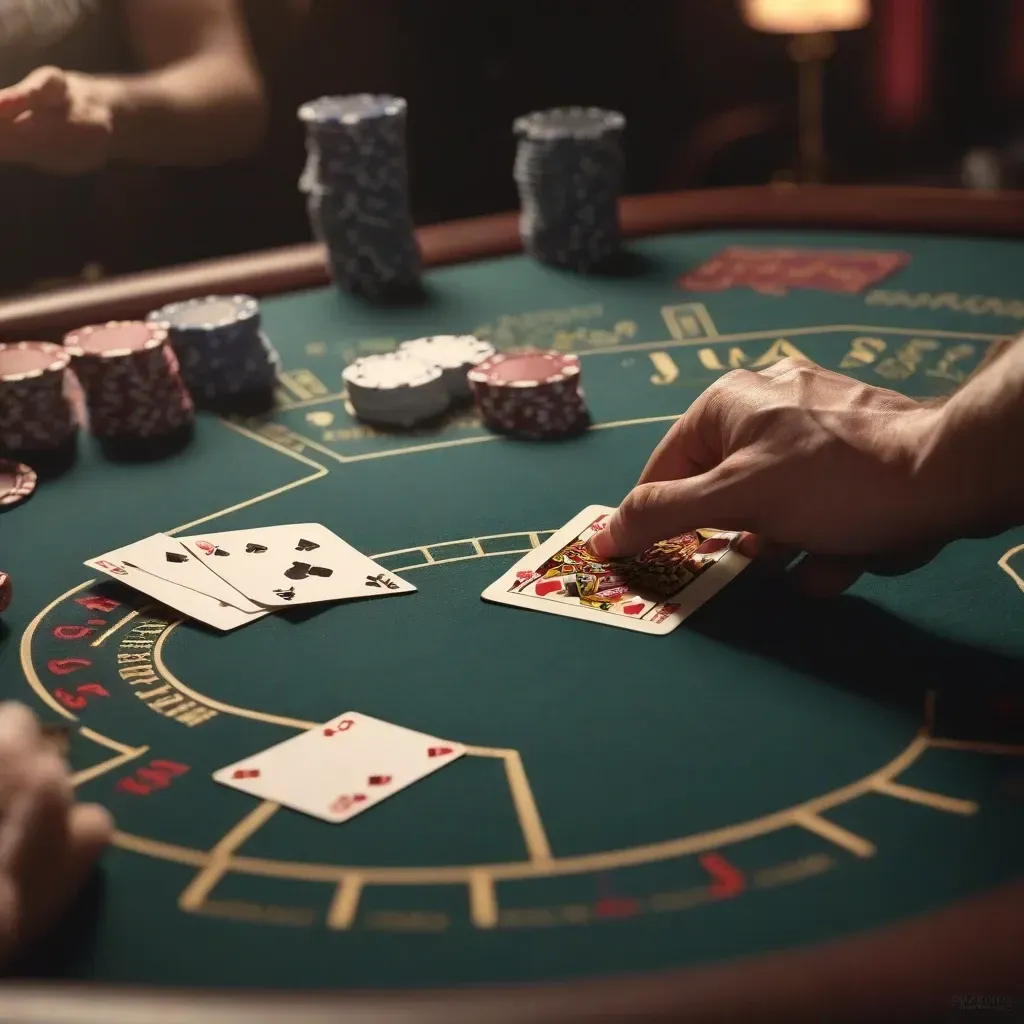
When it comes to online casinos, trust isn’t just a bonus feature—it’s the entire foundation. The old tension between players and random number generators (RNGs) has always lingered: sure, the math says the outcomes are fair, but where’s the proof? That’s precisely why live dealer games have exploded. They rip open the black box and let you watch the cards being shuffled, the wheel spun, the dice thrown—by a real human, in real time. That physical act of seeing is where trust gets rebuilt. A staggering 72% of live dealer players report they trust outcomes more than RNG-based games, according to industry data. And it makes sense: when you watch a dealer slide a card from a shoe, you’re not relying on some invisible algorithm. You’re witnessing cause and effect. It’s emotional reassurance that digital certification alone can’t provide. Sure, regulators like NIST set standards (SP 800-90 and all that), but no spreadsheet can make your gut relax like watching a croupier spin a ball. When you first try live blackjack, the dealer’s hand movements erase a doubt you didn’t even know you had. That simple visual feedback—the snap of the cards, the pause before the reveal—turns a faceless transaction into a human interaction. And that’s where real confidence lives.
Why RNG Still Feels Distant for Many Players
Here’s the paradox: RNG certification is technically bulletproof—math doesn’t lie. Yet for many players, it still feels like a ghost operating the machine. The digital nature creates a psychological gap. You can’t see the random numbers being generated; you just see the result. That disconnect breeds skepticism, even when everything is provably fair. Players crave transparency, not just in code but in action. As one industry analysis noted, “the more visible the process, the higher the perceived fairness.” The cold precision of a digital RNG might pass every audit, but it can’t match the comfort of watching a live shuffle. That’s why the gap persists—it’s not about math, it’s about what feels real.
Social Connection: More Than a Game
Let’s be real: gambling alone on a slot machine is a dead-end street. You spin, you win, you lose, and nobody blinks. It is a completely hollow loop. Traditional RNG games create a universe where you are essentially a ghost clicking buttons in a digital void. That loneliness kills the buzz fast. Live dealer games flip that script entirely. The built-in chat function isn’t a gimmick; it is the engine that turns a solitary transaction into a real, breathing social interaction. Suddenly, you are not just betting; you are part of a small, chaotic online casino community where the banter is just as volatile as the cards. Feedbuzzard data consistently flags social interaction as the number one factor tying players to a specific platform for months, not minutes. It is the difference between screaming into the abyss and having someone actually scream back.
The key is the human dealer. A random number generator has zero soul. It cannot joke about your bad luck, call you out on a risky double-down, or remember that you always order a virtual coffee. The human dealer makes the chaos feel intentional. They respond to comments, they banter, they momentarily forget your clumsy username and just call you “mate.” This is more than just window dressing. You can even form real, genuine relationships with regular dealers – something slots can’t replicate. You start to recognize their banter style, their quirks, their specific way of shuffling the digital deck. It pulls you out of the isolation of your screen and drops you into a crowded, noisy room.
One player left a perfectly fine slots lobby cold turkey because the silence was sucking the life out of him. He missed the loud, obnoxious, and often hilarious arguments he used to have at the blackjack table in a land-based casino. The dealer in that smoke-filled room knew his name and his tells. He switched to live specifically for that dealer banter, seeking that same friction and camaraderie in a digital format. He did not find a replacement; he found a different kind of social interaction that was actually more engaging. It proves that the game itself is secondary to the connection. Without the chatter, the sass, and the dealer, you are just clicking a button. With it, you are part of a live, unpredictable, and very human show.
Pace and Session Length: The Rhythm That Keeps You Playing
Live dealer rounds don’t sprint—they jog at a comfortable, human pace. The Primedope comparison is the clearest number to hold up: live dealer sessions average around 36 minutes, while RNG-speed blackjack clocks in at a frantic 18 minutes. And in 2024, some live tables stretch into the mid-40s because people are willingly staying put. That extra time isn’t wasted—it’s deliberate. The visible beginning, middle, and end of each hand creates a natural anticipation, as NetNewsLedger pointed out, making the game feel like a story rather than a slot-machine flicker. Contrast that with RNG where rounds can dissolve in seconds, and you see why players lean into live tables. In my consulting work, operators consistently see that players who start on live tables have 30-day retention rates nearly double those of RNG-only players. That’s because the rhythm builds attachment, not just action.
The slower cadence also nudges betting behavior upward. Across the industry, average bet sizes at live tables run 30–40% higher than at their RNG equivalents. It’s not about wild gambling—it’s that players feel the weight of each decision when they have time to process it. The dealer’s shuffle, the chip placement, the pause before a hit—all of it slows the rush and lets the brain actually think. Operators report that players on live tables don’t burn through bankrolls as fast, but they do commit more per hand. That difference in session length matters for house economics, too. Longer sessions mean more engagement per visit, and players who stretch past the 40-minute mark often return for a second round later in the week. The rhythm isn’t just nice—it’s sticky.
RNG’s breakneck pace, on the other hand, encourages a kind of reactive betting that often ends in regret. Players hit “deal” again before they’ve even processed the last loss. The 18-minute average session suggests a quick burnout—either the bankroll disappears or the player gets bored because there’s no narrative arc. Live dealer turns that around by offering a natural flow: you watch the cards come out, you see the shoe progress, you feel the tension build. That’s why retention rates double. The slower pace lets players enjoy the experience, not just survive the speed. For operators, the lesson is simple—speed can kill retention, but a human rhythm builds loyalty.
Why Faster Isn’t Always Better
The psychological advantage of a slower play pace is massive. When rounds last minutes instead of seconds, players actually weigh their moves—splitting, doubling, standing—rather than impulse-clicking through hands. This measured approach naturally aligns with responsible gaming principles. Live dealer tables don’t preach moderation; they enforce it through the game’s own rhythm. Impulsive gambling thrives on fast cycles, but a deliberate pace encourages better decision-making and reduces that “what just happened?” feeling after a losing streak. It’s not about lecturing—it’s about letting the clock do the talking.
What the Data Says: Markets, Mobile, and the Hybrid Player
The numbers don’t lie, the projections are staggering. Looking at global market data, the live dealer segment isn’t just growing—it’s absolutely exploding. The market value, sitting around $7.8 billion in 2024, is expected to blow past $20 billion by 2033. That’s not a slow crawl; that’s a sprint fueled by behavioral shifts. In the US alone, participation in live dealer games jumped by a massive 35% in 2023. The driver? Mobile improvements, plain and simple. Players no longer settle for clunky interfaces. They want a casino floor experience on a 6-inch screen, and operators are delivering just that.
Diving deeper into player behavior reveals a fascinating trend: the hybrid gamer. This isn’t about loyalty to one format. Two-thirds of players now flip between live dealer and RNG (Random Number Generator) games within thesame* session. The mood dictates the move. Live dealer provides a relaxed, social atmosphere—think of it as the digital equivalent of sitting at a felt table with a slow drink. RNG, on the other hand, is for the quick hit, the rapid-fire dopamine rush when you only have five minutes. The American Gaming Association chimes in here, noting that roughly two-thirds of players trust responsible gaming tools, suggesting a more conscious, controlled approach to this hybrid behavior. It’s less about addiction, more about convenience and context.
Here’s a quick breakdown to visualize the split. Live dealer: slow pace, high engagement, social interaction—perfect for unwinding. RNG: fast pace, instant results, solitary play—perfect for killing time. The market is shifting to serve both, but the explosive growth is undeniably in the live dealer sector, precisely because it caters to the player who wants the “real” feel without leaving the couch. This isn’t a temporary spike; it’s a structural change in how people perceive online gambling.
Mobile Optimization: The Catalyst for Growth
Look at the technology underneath. Mobile optimization isn’t just a nice-to-have anymore; it’s the entire engine. With streaming technology getting cheaper and 5G rolling out, live dealer traffic on mobile now accounts for over half of all sessions at top operators. Gamers expect multiple camera angles and zero buffering while they’re waiting for a bus. I’ve seen operators double their live tables almost overnight after a serious mobile interface upgrade, proving the raw demand is there if the latency drops. It’s not complicated—better mobile equals more action.

Why Operators Are Investing Heavily in Live Dealer Studios
Operators aren’t just throwing cash at live dealer for fun—they’re chasing hard metrics. First up: session length. A player glued to a real-time blackjack table stays glued for 45 minutes, not the 12-minute spin-and-dash of slots. That extended session drives revenue per user through the roof, plain and simple. Then there’s scalability: a single well-designed studio can pump out multiple game tables across dozens of markets, all without needing a physical casino floor. That’s lean operations with fat margins. And let’s talk game shows—titles like Crazy Time and Monopoly Live aren’t just games; they’re entertainment spectacles that pull in players who’d otherwise scroll past a slot lobby. These formats spike engagement because they mix luck with a live host’s energy, turning every round into a mini-event.
Here’s the kicker: In 2025, a major brand I know told me their live dealer segment posted a 40% higher lifetime value compared to slots. That’s not a fluke—it’s a structural advantage. Beyond retention, live games now hijack casino homepages. You don’t have to dig into a “Live Casino” submenu anymore; the banners, the top carousels, the recommended lists—they’re all pushing live tables front and center. Operators are also cashing in on viral casino content: a wild win on a game show gets clipped, shared on socials, and pulls in curious punters who want that same adrenaline. The result? Live dealer isn’t a niche upsell—it’s the main stage, and operators are pouring budgets into building bigger, flashier studios to keep that momentum rolling.
The Future: A Player-Centric Split With Room for Both
Live dealer isn’t here to kill RNG. You’ve heard that wrong. It’s expanding the entire market, creating a bigger pie for everyone. The future of online casinos isn’t about one format winning, it’s about giving you real player choice without friction. Live dealer thrives because of trust, social interaction, and that slower, deliberate pace that mimics a real floor. But RNG remains completely untouchable for quick sessions, high volatility, and pure game volume. By 2026, the trend is clear: hybrid interfaces will let you jump from a blackjack table, mid-hand, into a turbo slot with zero interruption. You won’t pick a side. That’s the whole point.
Operators are already building platforms that track your mood and time. According to a key 2026 industry prediction, players who seamlessly switch between formats stay loyal twice as long. You want connection? Hit the live dealer for a few hands. You want speed? Flip to RNG for a spin. The winning platforms will never force you into one lane. As an expert, I advise both players and operators to embrace this balance – the best casino experience is one that respects your time, your trust, and your desire for connection.